
Why is the smash burger booming in France?
Born in American diners and popularised by dedicated smash chains, the smash burger has won over France in just a few seasons. Its promise is simple: a beef ball pressed firmly onto a very hot plate that develops a caramelised crust and crispy lacy edges thanks to the Maillard reaction. The result is more flavourful, juicier in the mouth and visually striking, which makes it ideal for social media and the photogenic appeal of premium snacking.
This trend fits perfectly with two underlying market shifts: the rise of premium snacking and the return of made-on-site cooking in foodservice. French consumers are willing to pay more for a burger perceived as authentic, indulgent and crafted on the spot. For operators, the smash burger is also an economic asset: controlled portions, fast cooking, strong differentiation potential and attractive margins when sourcing is well planned.
« The smash burger forgives no weakness in the bun: you need a crumb that absorbs the juices without collapsing. That is exactly why the potato in the Potatoes Bun makes the difference. »
What makes the ideal smash burger bun?
The smash burger puts the bun under serious strain: heavily seared beef, abundant juices, melted cheese, sauces and sometimes a double patty. A bun that is too airy or too dry collapses, goes soggy or breaks at the first bite. The ideal bun must therefore balance softness and structure: a crumb dense enough to absorb moisture without disintegrating, and the mechanical strength to withstand both assembly pressure and the act of eating.
Bakery quality is decisive. A well-designed industrial bun delivers consistent sizing, lasting softness and uniformity that in-house production sometimes struggles to guarantee at volume. This is exactly where adding potato to the recipe changes everything.
The criteria for a successful smash bun:
- Soft and melting in the mouth, with no rubbery texture
- A dense, tight crumb that absorbs juices without going soggy
- Good resistance to assembly pressure and handling
- A thin, toastable crust that adds contrast
- Consistent sizing for clean, repeatable plating
- A neutral, buttery flavour that showcases the beef
The Potatoes Bun: why does it hold up so well under pressure?
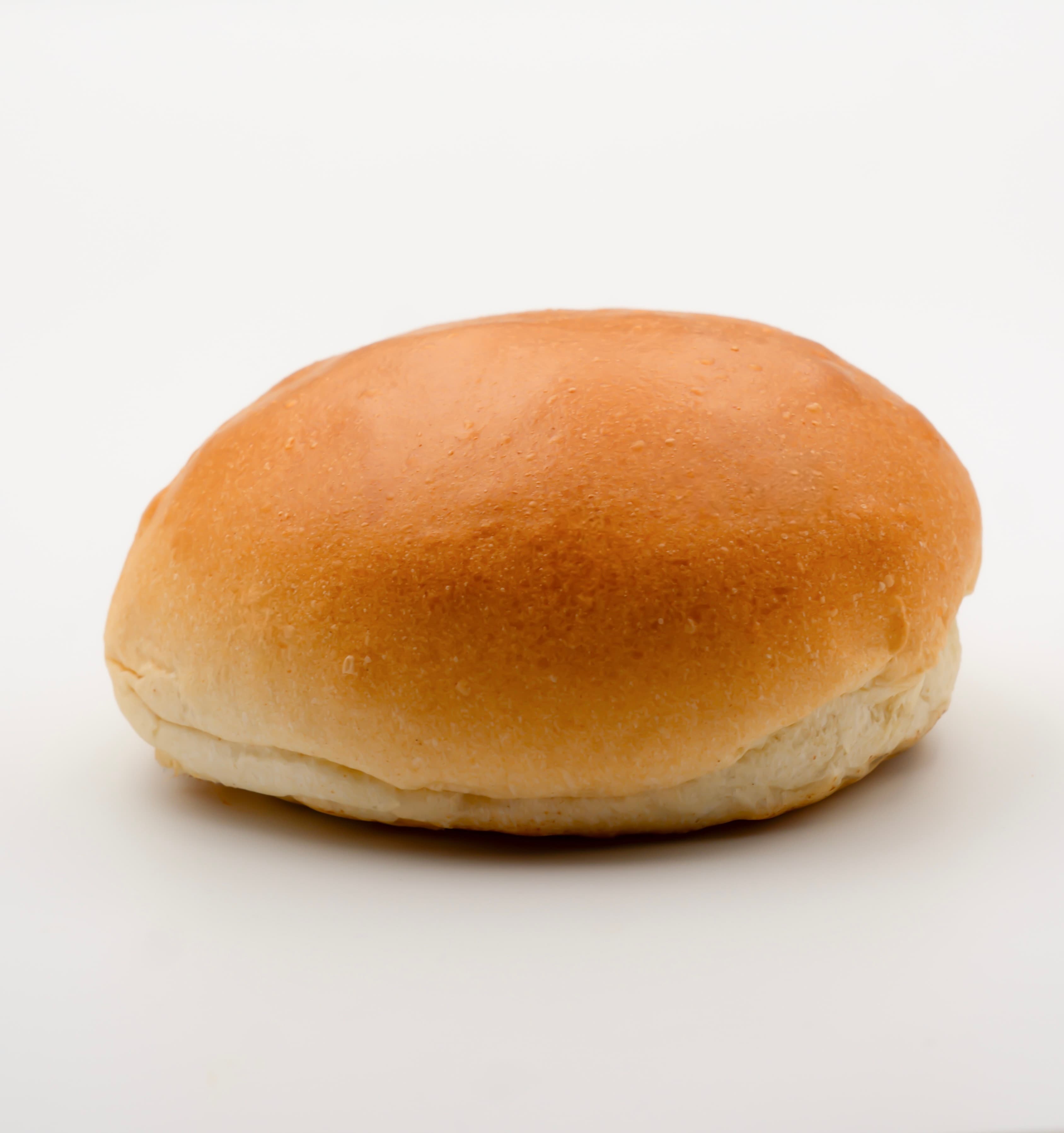
The Potatoes Bun owes its qualities to the potato worked into the dough. The starch retains water, resulting in a moister, denser and lastingly soft crumb, whereas a classic milk bun dries out quickly. This tight structure copes better with the moisture from a smashed patty and sauces, while keeping excellent mechanical strength: the bun does not tear, does not crumble and holds its shape from plating to the final bite.
At Nouryla, the Potatoes Bun is part of the Noblépis range of industrial burger buns, 100% French origin. The flour comes from Grands Moulins de Paris and the eggs used are liquid eggs, a choice that secures hygiene and consistency in production. The buns are packed in cartons of 30 pieces, with uniform sizing that makes clean, repeatable plating easy during busy service.
The winning combo: smash burger and fresh fries
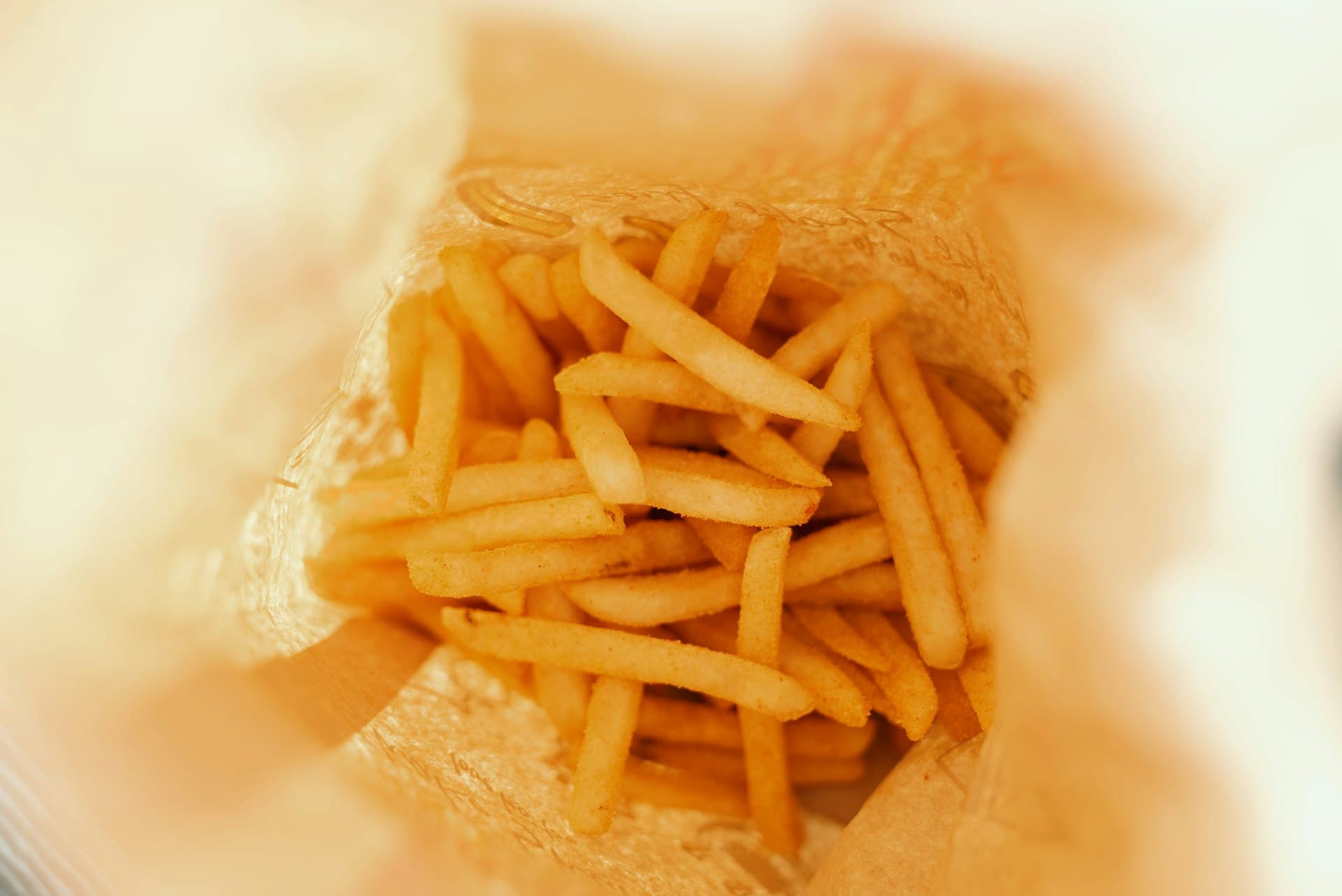
A premium smash burger calls for a side that matches it. Frozen fries, standardised and often bland, break the made-on-site promise. Fresh fries, on the other hand, extend the upscale positioning and genuinely set a menu apart. This is precisely the niche of Kroustis: fresh sous-vide fries, never frozen, which are Nouryla's signature product.
Kroustis comes in two references at an 11x11 cut: "La Rustik", with skin, for a rustic, authentic finish, and "L'Authentik", without skin, for a more classic, regular fry. Packed in 10 kg vacuum-sealed bags, they offer consistent quality and easy handling in the kitchen. Sourced as a priority within 250 km of Paris from HVE potatoes, they tick the boxes of local and responsible sourcing, arguments increasingly expected by today's clientele.
How do you nail a smash burger in foodservice?
Technique is everything. Work a beef ball at 18-20% fat content, place it on a very hot griddle or cast-iron plate, then press firmly for around ten seconds with a wide spatula to maximise contact and crust. Season after smashing, flip only once and add the cheese at the end of cooking for a perfect melt. For maximum intensity, double the patty: that is the hallmark of the double smash.
Lightly toast the cut side of the Potatoes Bun on the plate: the thin crust caramelises, adds contrast and creates a barrier that slows juice penetration. Master the assembly order (sauce, beef, cheese, fresh toppings) to distribute moisture and preserve structure. Finally, manage the cold chain and product rotation: ingredient freshness remains the number-one driver of perceived quality.
Premium snacking and made-on-site: what do the trends say?
The snacking market keeps moving upmarket. Customers look for products perceived as authentic, traceable and crafted on the spot, and they pay close attention to ingredient origin as well as raw-material quality. The burger remains a flagship of this momentum, and the smash is now its most desirable expression.
For restaurateurs, fast-food operators, hoteliers, caterers and distributors, the challenge is to maintain premium quality at scale. Relying on specialist suppliers helps secure consistency while keeping an artisanal result. Traceability also becomes a selling point: at Nouryla, the CorLink ERP tracks batches, with every fries delivery note carrying the exact potato lot number. Combined with next-day (J+1) logistics across the Île-de-France region, this rigour makes it possible to offer a smash burger and fresh fry combo that is coherent, premium and reliable day in, day out.