How do you match bun weight and size to patty weight?
The most common foodservice mistake is treating the bun separately from the meat. A 150 g patty on a 50 g bun creates an unbalanced burger that collapses at the first bite. Conversely, an overly thick bun smothers the product. The practical rule: the bun weighs roughly half to two-thirds of the raw patty weight.
Diameter matters as much as weight. The bun should be 1 to 2 cm wider than the patty to hold cheese, sauce and garnish without overflow. Factor in cooking shrinkage too: the meat contracts, so the bun must stay generous.
Patty-to-bun benchmarks
- 90-110 g patty: 50-65 g bun, 9-10 cm diameter (snack and mini formats).
- 120-150 g patty: 70-90 g bun, 11-12 cm diameter (standard foodservice).
- 180 g+ or double patty: 90-110 g bun, 12-13 cm diameter, reinforced crumb.
- Sharing / signature format: thick, structured bun to support a tall build.
« A great burger starts with a bun calibrated to the patty it carries: neither too light nor too rich, and always structured enough to hold the sauce through to service. »
Brioche or classic: which dough for which positioning?
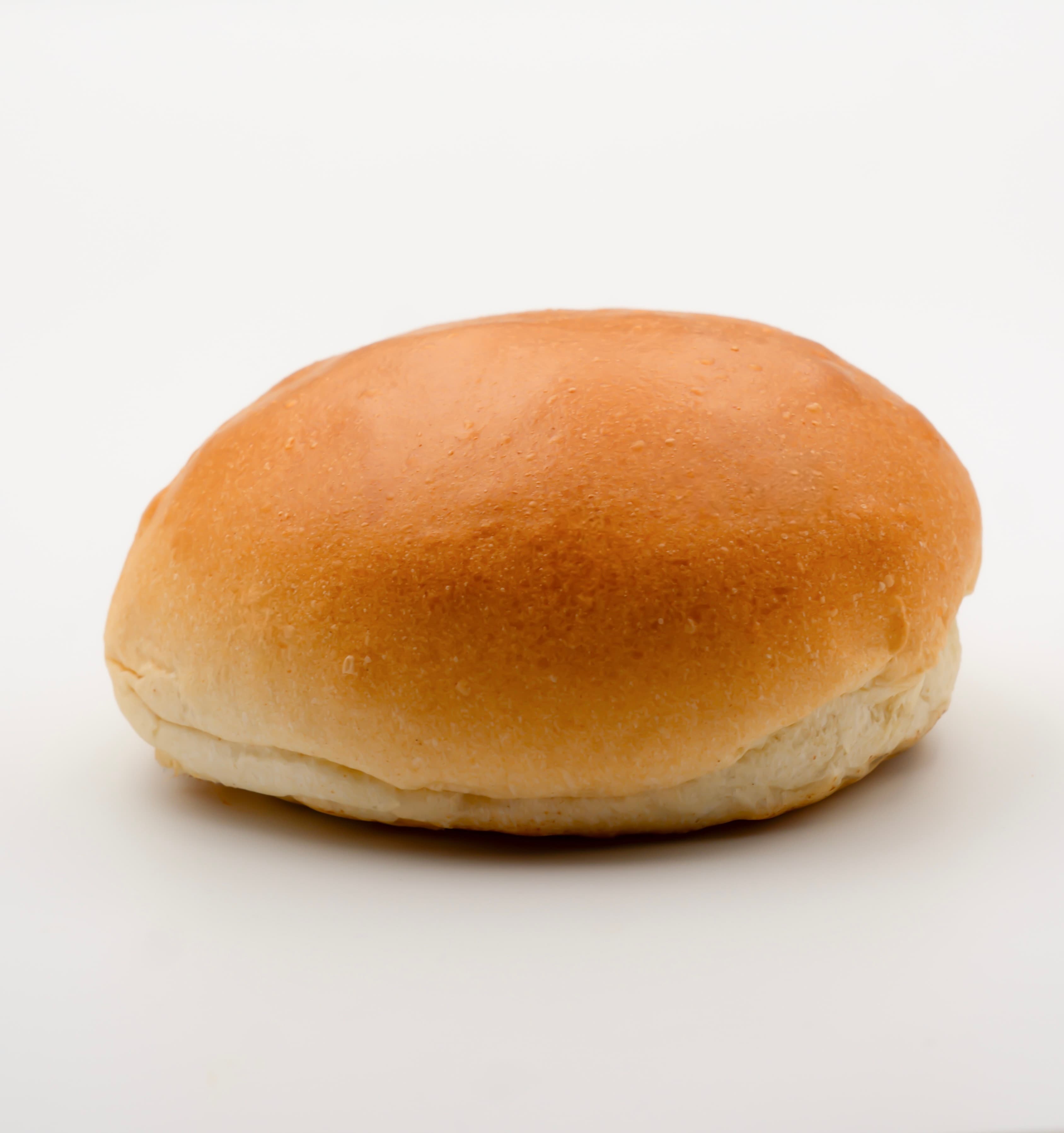
Brioche buns have become the standard in premium foodservice and fast-good for their soft crumb, golden color and gentle richness from butter and eggs, which adds roundness on the palate. They elevate a menu, photograph well and signal an upmarket move. Classic buns (plainer, more neutral and less rich) suit high volumes, spicy-savory recipes where the bread should recede, and tighter margins.
The choice depends on your positioning. For a signature burger, a catering offer or a hotel menu, brioche builds perceived value. For high-throughput quick service, a plainer bun may be enough. Many venues mix and match: brioche on flagship items, a simpler format on entry-level options.
Sauce resistance: why does your bun fall apart?
A soggy bun ruins both the experience and your brand image. Sauce resistance comes down to crumb structure: an overly open crumb soaks up moisture like a sponge, while a tight, slightly rich crumb acts as a barrier. Toasting the inner face creates a protective layer that slows absorption, a step never to skip during service.
On the build side, layering counts: place wet ingredients (sauce, tomato, onion) in the center, isolated from the bread by cheese, lettuce or the patty. A good foodservice brioche is calibrated to absorb just enough fat and juice without disintegrating, whether served at the table or via click & collect.
Sesame, poppy, cereals: what does the topping change?
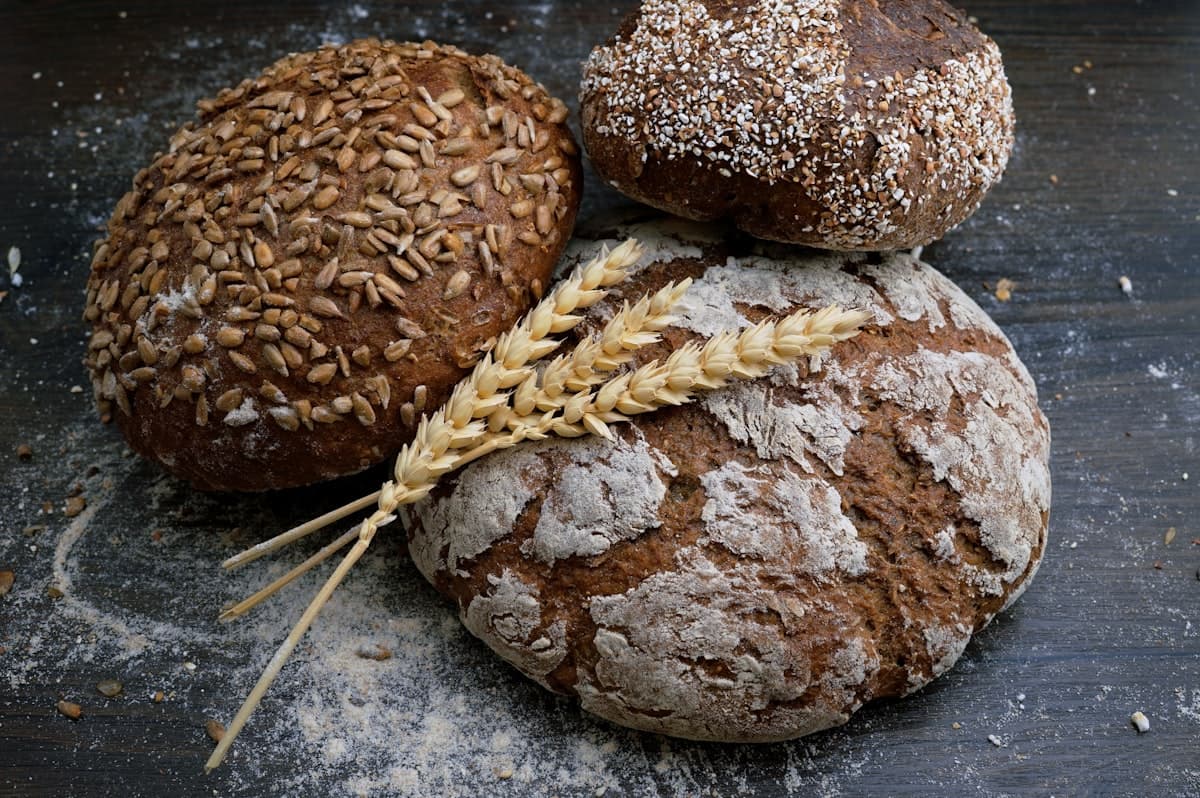
The topping is more than decorative: it shapes your menu identity and texture. Sesame, the timeless classic, adds light crunch and a recognizable toasted note. Poppy signals a more contemporary menu and a high-contrast look. Cereal seeds (flax, sunflower, oats) evoke a gourmet or rustic positioning and reinforce an artisanal perception.
Plain, untopped buns remain relevant for heavily loaded recipes or minimalist concepts where attention goes to the filling. Think consistency: the same topping across a whole range creates a strong visual signature, photogenic on your menus and delivery platforms.
The Noblépis range: which bun for which use?
Noblépis is Nouryla's range of industrial brioche buns: burgers, sandwiches and bagels, 100% French origin. The flour comes from Grands Moulins de Paris and we use liquid eggs for food-safety reasons. The standard pack is a carton of 30 pieces, with a 3-day shelf life, designed for controlled rotations in professional kitchens.
The range covers every foodservice format, from aperitif mini-buns to signature buns, letting you build a coherent menu with a single supplier.
Noblépis references
- Royal: the standard burger format, versatile for most menus.
- Gourmet: an upscale option, ideal for a signature burger.
- Potatoes Buns: potato-based bun with a soft crumb and generous hold.
- Mini Burger: snack format for aperitifs and sharing offers.
- Philly and Hot-Dog: long buns for hot sandwiches and hot dogs.
- Plus Provençal, Tregel, Black Burger and Lobster for distinctive concepts.
Logistics and freshness: how do you secure your supply?
Bun quality also depends on delivery. Orders placed before 5:00 pm are delivered at dawn the next day, via our own fleet of 5 refrigerated vehicles (under 3.5 t) across the Paris region, and through STEF for national coverage. The cold chain is maintained at 0-4°C.
With a 3-day shelf life on the buns, planning orders ahead is key. Most of our clients order through the OrderLion app, and our CorLink ERP ensures traceability. Paired with our Kroustis fresh sous-vide fries, Noblépis buns let you build a complete burger-and-fries offer from a single local supplier.