Why is France a major soft wheat player in Europe?
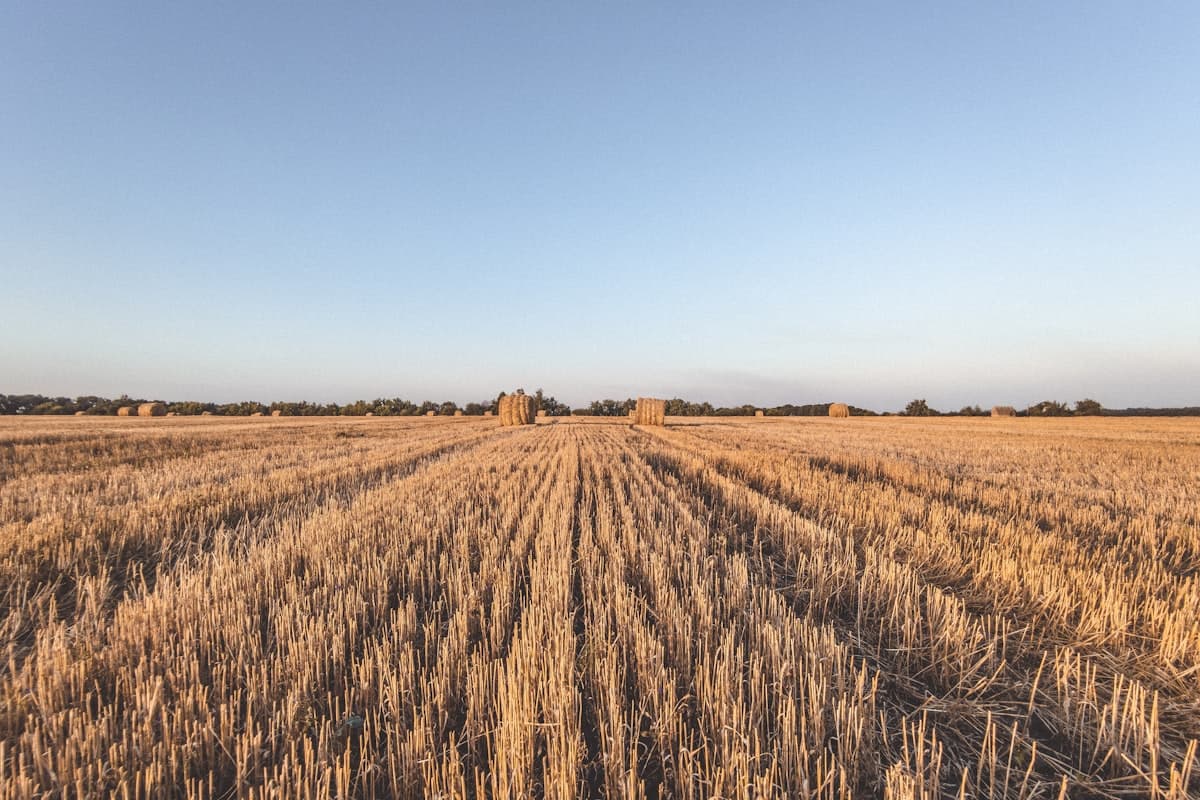
France ranks first in the European Union for soft wheat production, grown on roughly 5 million hectares concentrated in the major cereal basins: Beauce, Champagne, Hauts-de-France and Centre-Val de Loire. This leadership rests on deep soils, a temperate climate and recognised agronomic expertise, which together deliver high yields and consistent baking quality year after year.
This agricultural strength feeds an entire downstream chain. Soft wheat (Triticum aestivum) differs from durum wheat (used for pasta and semolina) in its rich, bread-making gluten. A significant share of the harvest is exported, but domestic processing supplies one of Europe's most active milling industries, giving food manufacturers a reliable, traceable local source of flour.
« A consistent brioche crumb begins long before the mixer: it is decided by the choice of a strong French flour, identical from one delivery to the next. That agronomic and milling foundation is what guarantees the quality our customers find every day. »
How does milling work and what are Grands Moulins de Paris?
Milling transforms the wheat grain into flour through successive grinding, sieving (bolting) and blending steps. The grain is first cleaned, then conditioned with water to ease separation of the endosperm (which yields flour), the bran (the outer layer) and the germ. Rollers then grind the endosperm in repeated passes, with each stream sorted to obtain flours with precise, consistent characteristics.
Grands Moulins de Paris is among France's historic and emblematic millers. It supplies standardised, controlled and traceable flour, ensuring consistency for craft bakers and industrial manufacturers alike. It is this demand for uniformity that lets a bun maker guarantee a homogeneous crumb from one production run to the next, an essential condition for reproducible B2B quality.
What do flour types T45, T55 and T65 mean?
A flour's "type" corresponds to its ash content, meaning the amount of mineral matter left after a sample is incinerated. The lower the number, the more refined (whiter) the flour, because it contains less of the grain's outer layers. The higher the number, the more wholemeal the flour, richer in bran, minerals and rustic flavour.
In practice, each type has its preferred use. The choice of flour is far from trivial: it drives the colour, taste, shelf life and above all the texture of the finished product, whether a traditional baguette or a soft, brioche-style bun.
Flour types at a glance
- T45: the whitest, starch-rich flour, ideal for viennoiserie, pastry and brioche doughs.
- T55: a versatile flour, common for white bread, pizzas and puff pastry.
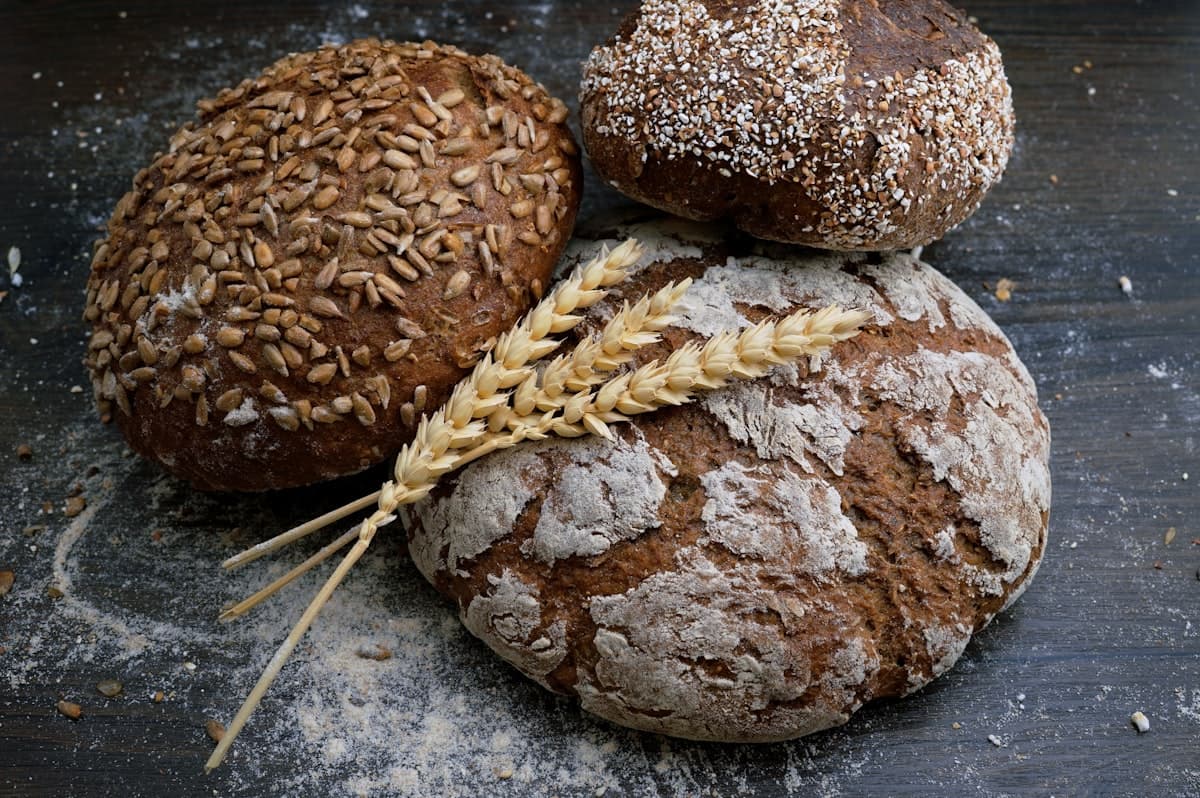
- T65: slightly richer in bran, favoured for traditional and country-style breads.
- T80 to T150: brown to wholemeal flours, with more pronounced flavour and higher fibre content.
Baking strength (W) and gluten: the keys to a brioche crumb
Baking strength, noted W, measures a dough's resistance using the Chopin alveograph. It combines tenacity (P, resistance to deformation) and extensibility (L, ability to stretch). A weak flour (W 90-150) suits biscuits; a strong flour (W 250-350) is required for rich, leavened doughs such as brioche or buns, which must hold gas and carry butter, sugar and eggs.
Gluten is the protein network that forms when gliadin and glutenin are hydrated and worked. It traps the carbon dioxide produced by the yeast, giving the dough its elasticity and the crumb its airy, stretchy structure. For a successful brioche bun, the balance between a strong flour, controlled hydration and suitable kneading is decisive: it is where agronomy, milling and the baker's craft meet.
Noblépis: an industrial brioche, 100% French origin
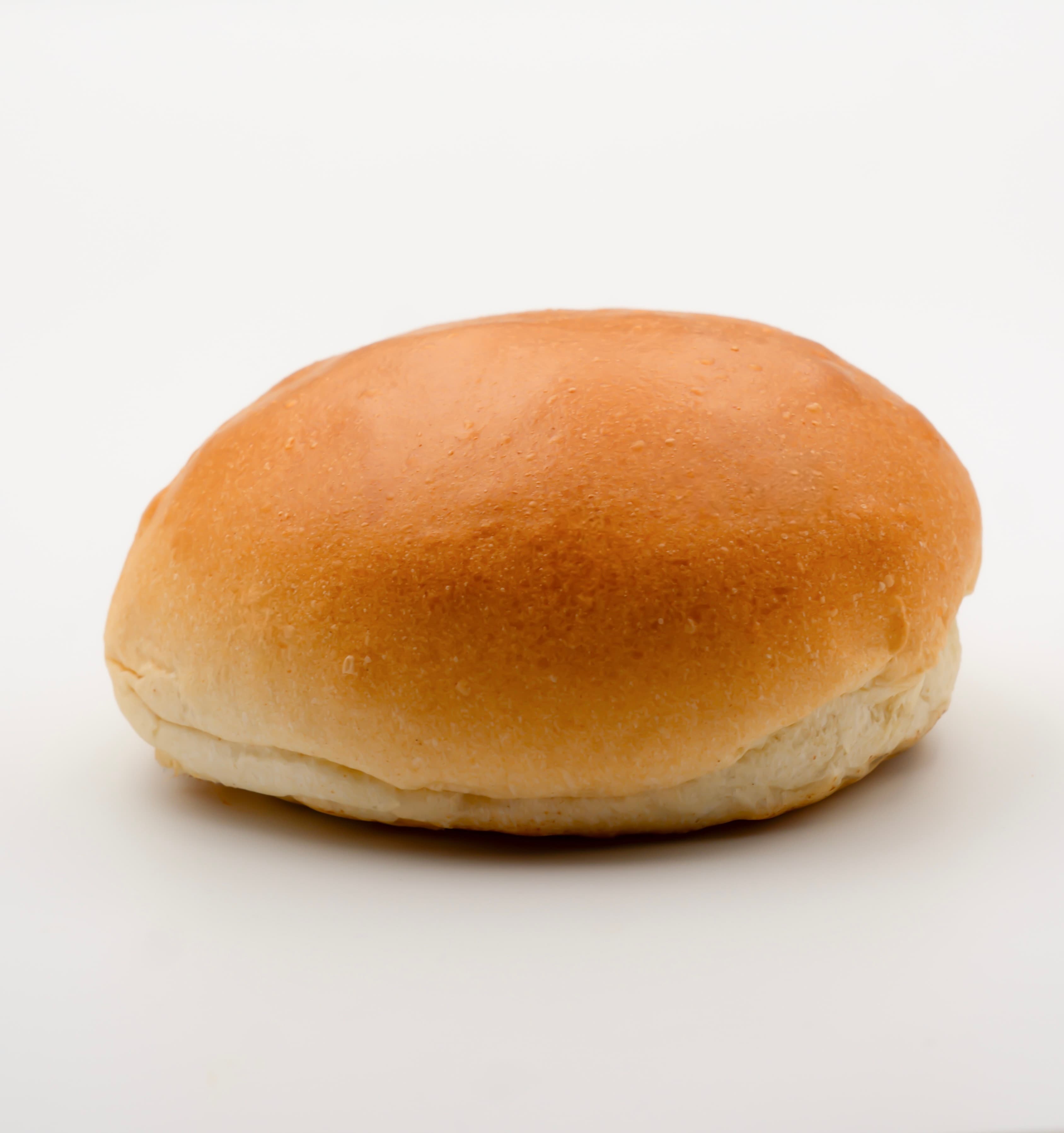
Noblépis is Nouryla's range of industrial brioche buns, designed for the burgers, sandwiches and bagels of foodservice professionals. It sits squarely within this French chain: the flour comes from Grands Moulins de Paris and the entire production is 100% French in origin, from field to packaging in cartons of 30 pieces.
The choice of liquid eggs over shell eggs answers a need for food safety and consistency, two cardinal requirements in B2B. The range spans around ten references (Provençal, Royal, Gourmet, Potatoes Buns, Mini Burger, Philly, Hot-Dog, Tregel, Black Burger, Lobster), with a capacity of 8,000 pieces per day. The 3-day shelf life reflects a production close to traditional baking, without unnecessary preservatives.
How do you choose your flour or bun for professional use?
For a restaurateur or caterer, the logic mirrors the miller's: start from the end use. A soft, golden product that holds its filling without falling apart calls for a strong flour and quality gluten; a rustic, crusty bread will need a more characterful flour and a different process.
Rather than managing milling in-house, most professionals rely on suppliers who master this agronomic and milling chain. That is the value of a range like Noblépis: benefiting from traceable French flour, a consistent brioche crumb and tailored logistics, without having to weigh up flour types, W values and hydration rates yourself.