What is a short supply chain in food manufacturing, really?
A short supply chain reduces the number of intermediaries between the producer and the professional buyer, usually combined with geographic proximity. In B2B food manufacturing, it is not just about selling "local": it means rethinking the entire sourcing model to shorten distances, secure origin and make traceability reliable.
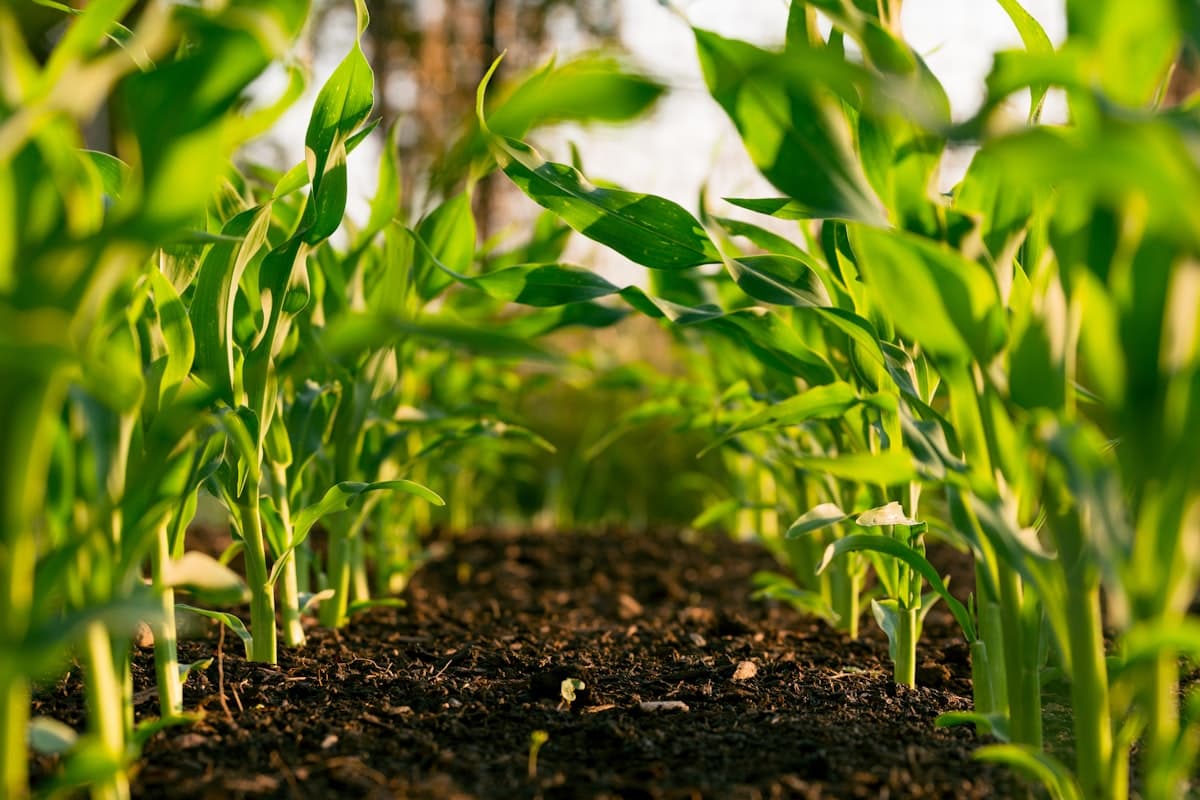
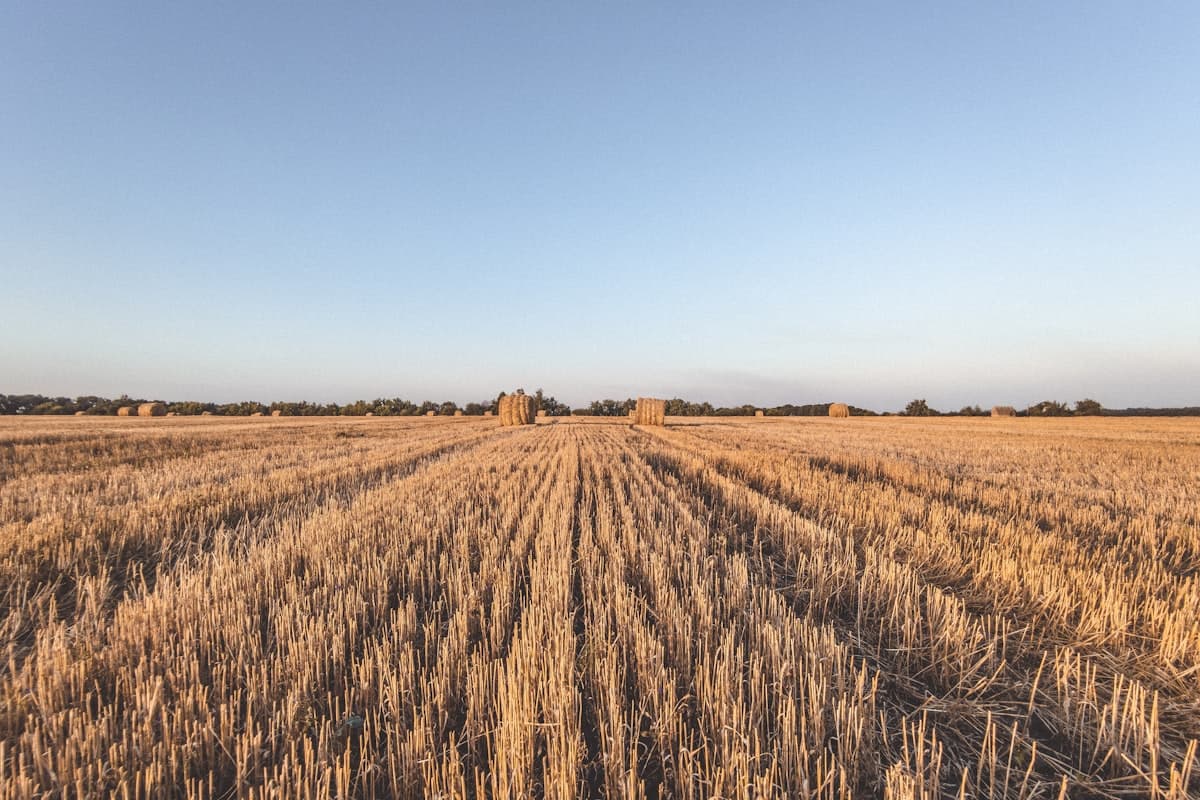
At Nouryla, a brand of Fresh Distrib, this logic translates into priority sourcing within 250 km of Paris for the potatoes used in Kroustis, our fresh vacuum-sealed fries. Fewer kilometres traveled means lower transport emissions, fresher raw material and a direct link with regional farms we can audit and support over time.
The four pillars of a genuine short supply chain
- Fewer intermediaries and fewer breaks in the information chain
- Geographic proximity to limit kilometres and transport emissions
- Stronger traceability: every potato lot is identifiable
- Support for regional farming and locally suited potato varieties
« CSR is not declared, it is measured. For us, it is the lot number on the delivery note, the water we recycle and the kilometres we don't drive. »
Why does sourcing within 250 km change the equation?
Procurement distance is one of the most tangible contributors to a food product's environmental footprint. By prioritizing sourcing within 250 km of Paris, we act directly on upstream transport emissions, shorten the time between harvest and processing, and preserve the freshness of the raw material.
This choice also has an agronomic dimension. Working with regional producers lets us favour potatoes from HVE-engaged farms, understand growing practices better and build lasting relationships. Proximity makes visits, audits and specification adjustments easier, securing quality while grounding the CSR approach in reality rather than in rhetoric.
HVE and French origin: what guarantees for foodservice?
High Environmental Value (HVE) certification confirms that a farm meets demanding thresholds for biodiversity, plant-protection strategy, fertilization and water management. For a restaurateur or distributor, sourcing HVE potatoes means relying on an official, verifiable framework rather than a simple claim.
French origin plays the same guarantee role across the range. Our Noblépis buns are 100% French origin, made with flour from Grands Moulins de Paris and liquid eggs chosen for food safety. This transparency on origin and ingredients directly answers the expectations of sustainable foodservice, which wants to be able to tell its own customers where the food it serves comes from.
Water recycling and fresh fries: CSR at the heart of production
Processing potatoes uses water, especially during washing and peeling. That is why our Trappes site (near Paris) includes a production-water recycling unit, to reduce withdrawals and make better use of this resource. It is a concrete CSR action built into the industrial process, not an argument bolted on afterwards.
Choosing fresh vacuum-sealed fries is itself a strong environmental stance. Kroustis are fresh fries, never frozen, vacuum-sealed in 10 kg bags with a 7-day shelf life. By avoiding deep-freezing and the energy-intensive negative cold chain, the product limits its energy use while delivering superior texture and taste. A modified-atmosphere (MAP) project aims to extend shelf life to 12-15 days, further reducing waste on the customer side.
How does route optimization cut the logistics footprint?
Logistics is an often underestimated link in food CSR. Poorly organized deliveries multiply empty kilometres, handling breaks and wasted energy. The goal is therefore to optimize routes: consolidate deliveries, choose the right vehicle and make lead times reliable.
Our model relies on an order cut-off at 5 p.m. for dawn delivery the next day, handled by our own fleet of 5 refrigerated vehicles under 3.5 tonnes across the Paris region, and by STEF nationwide. Cold storage at 0-4°C and order management through the OrderLion app keep flows smooth. This control reduces unnecessary trips while guaranteeing product freshness all the way to the customer.
Traceability and waste reduction: proof, not promises
A credible CSR approach must be provable lot by lot. Our CorLink ERP ensures end-to-end traceability: every fries delivery note carries the exact potato lot number, and each big bag has a unique ID. When needed, we can trace the chain back in moments, securing both quality and trust.
This precision also supports waste reduction. Better traceability lets us adjust volumes, limit unsold stock and target exactly what needs to be checked. All of this sits within a quality approach built on HACCP, with ISO 9001, 14001 and 22000 certification in progress. The Hygiene & Beauty division, for its part, remains an exploratory vision today, with no products commercialized.