Fresh sous-vide or frozen fries: what's the real difference?
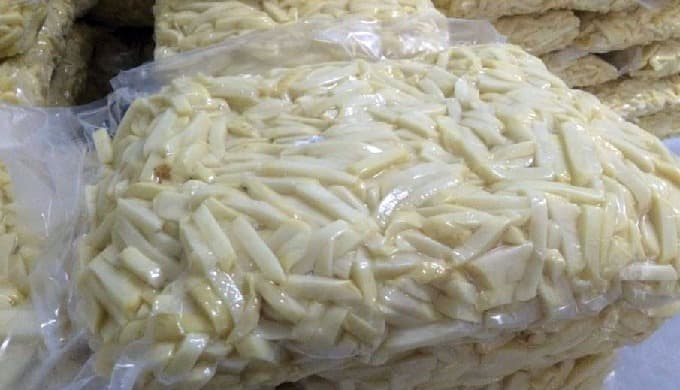
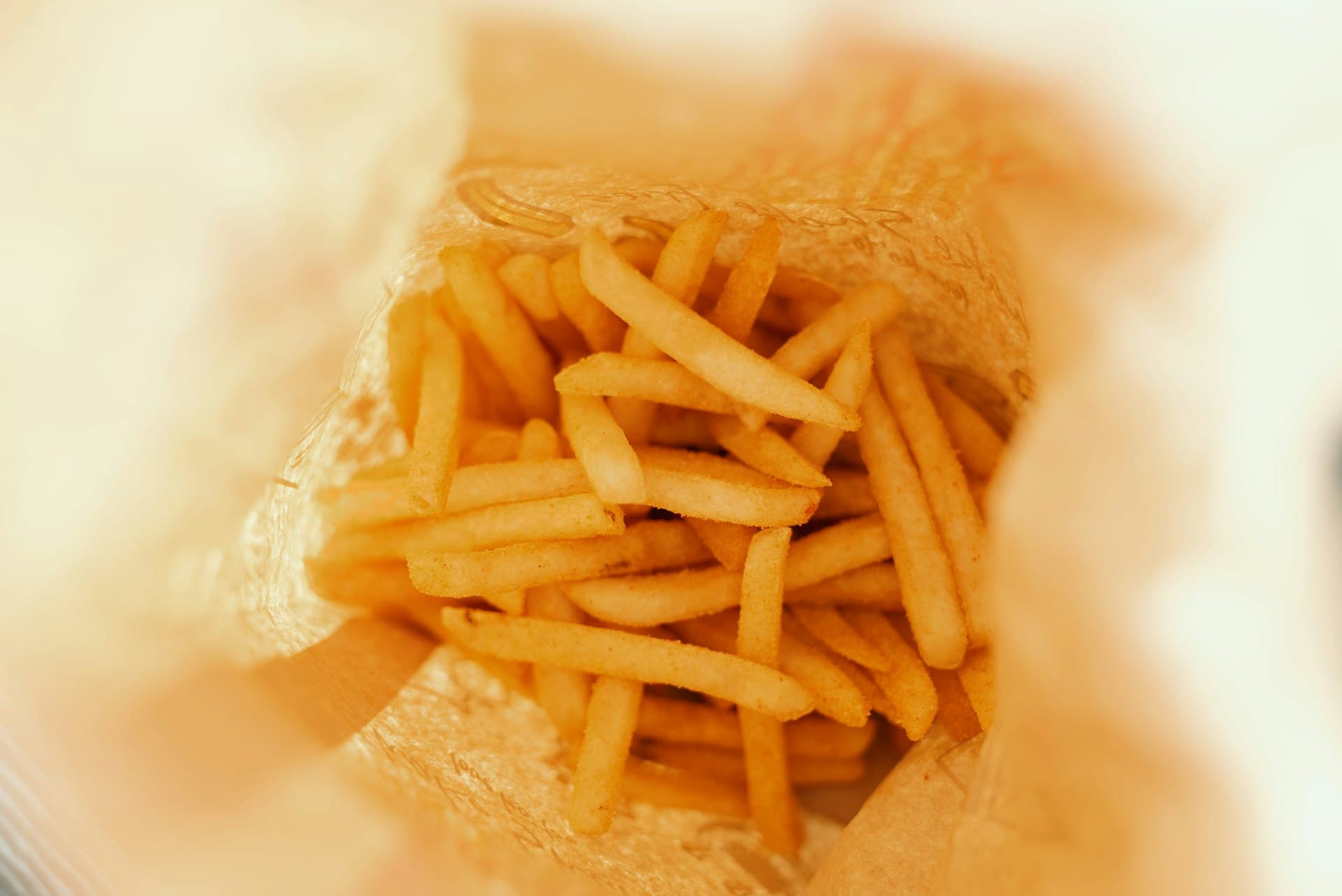
The difference lies in the process. A frozen fry is generally pre-cooked (blanched or par-fried), then frozen through, which forms ice crystals inside the potato flesh. A fresh sous-vide fry like Kroustis is cut from a raw potato, cooked under vacuum (sous-vide) and then chilled, without ever going through freezing.
This is not a cosmetic difference. Freezing ruptures the potato's cell walls: on thawing and frying, the released water weakens the texture and tends to produce a softer or drier fry depending on the case. Chilled sous-vide preserves the integrity of the flesh, its natural moisture and a cleaner potato flavour.
« We don't sell a cheaper fry, we sell a fry that has never been frozen. The difference shows at the cut, in the fryer and on the plate: that's the whole point of chilled sous-vide. »
Taste and texture: why fresh transforms the plate
On the palate, the gap is immediate. A fresh sous-vide fry delivers a sharp contrast between a crisp crust and a soft centre, with a genuine potato taste. This is the core differentiator of Kroustis: fresh, never frozen.
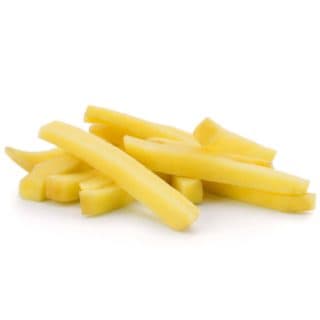
The reference comes in two versions to fit your menu: La Rustik (with skin), more rustic and colourful, ideal for a bistro or premium street-food positioning; and L'Authentik (without skin), more classic and uniform, for a clean presentation. Both are in 11x11 calibre, a generous standard that holds heat well from fryer to plate.
Cooking yield and real cost: how should you compare?
This is where many restaurateurs go wrong: comparing the purchase price per kilo is meaningless. A frozen fry contains water added during pre-cooking and glazing, which evaporates during frying. You are therefore paying, in part, for water and coating. The net yield on the plate is what determines your real cost per portion.
To decide with confidence, factor in every cost line, not just the supplier invoice.
Cost lines to factor into the real cost:
- Purchase price per kilo (a starting point, not a conclusion)
- Weight loss during frying (water, glaze) and therefore net yield per portion
- Cooking time and energy (frying bath, oil replacement frequency)
- Calibre consistency, which limits waste and off-standard portions
- Image and menu price you can credibly charge
Storage and shelf life: frozen's only real advantage
Let's be clear: on shelf life, frozen keeps the edge, with several months of storage at -18°C. This is the decisive criterion for venues with very irregular volumes or located far from fresh delivery routes.
Kroustis, being fresh, has a 7-day use-by date in vacuum-sealed 10 kg bags, stored between 0 and 4°C. A modified atmosphere packaging (MAP) project is in progress to extend this to 12-15 days. For a restaurant with daily turnover, seven days is more than enough, especially with next-day logistics: you order close to need, without tying up a freezer or managing a sub-zero cold chain.
Premium image: what fresh lets you claim
Fresh isn't only about taste, it's a commercial argument. Being able to advertise fresh fries, cut from a French potato, never frozen, sets you apart from competitors serving mostly standard frozen. It's a lever to move upmarket and support a higher selling price.
Kroustis reinforces this story with concrete sourcing choices: HVE potatoes, priority sourcing within 250 km of Paris, and thorough traceability (each delivery note carries the exact potato lot number, each bag a unique ID via the CorLink ERP). These verifiable elements lend credibility to a quality positioning with customers increasingly attentive to origin.
Fresh or frozen: which should your venue choose?
The right choice depends on your profile. If you have daily turnover, a focus on quality image and a menu where fries are a signature product, fresh sous-vide wins: better taste, better texture, a premium argument, and fresh logistics that keep up (5 p.m. cut-off, dawn next-day delivery across Île-de-France via a dedicated fleet, STEF for national coverage).
If you handle very irregular volumes, long storage with no freshness constraint, or a site isolated from fresh delivery routes, frozen remains defensible. For the large majority of urban and peri-urban restaurateurs looking to stand out, fresh and never frozen is today the most profitable choice once the real cost is calculated.