
Why does the variety make all the difference for fries?
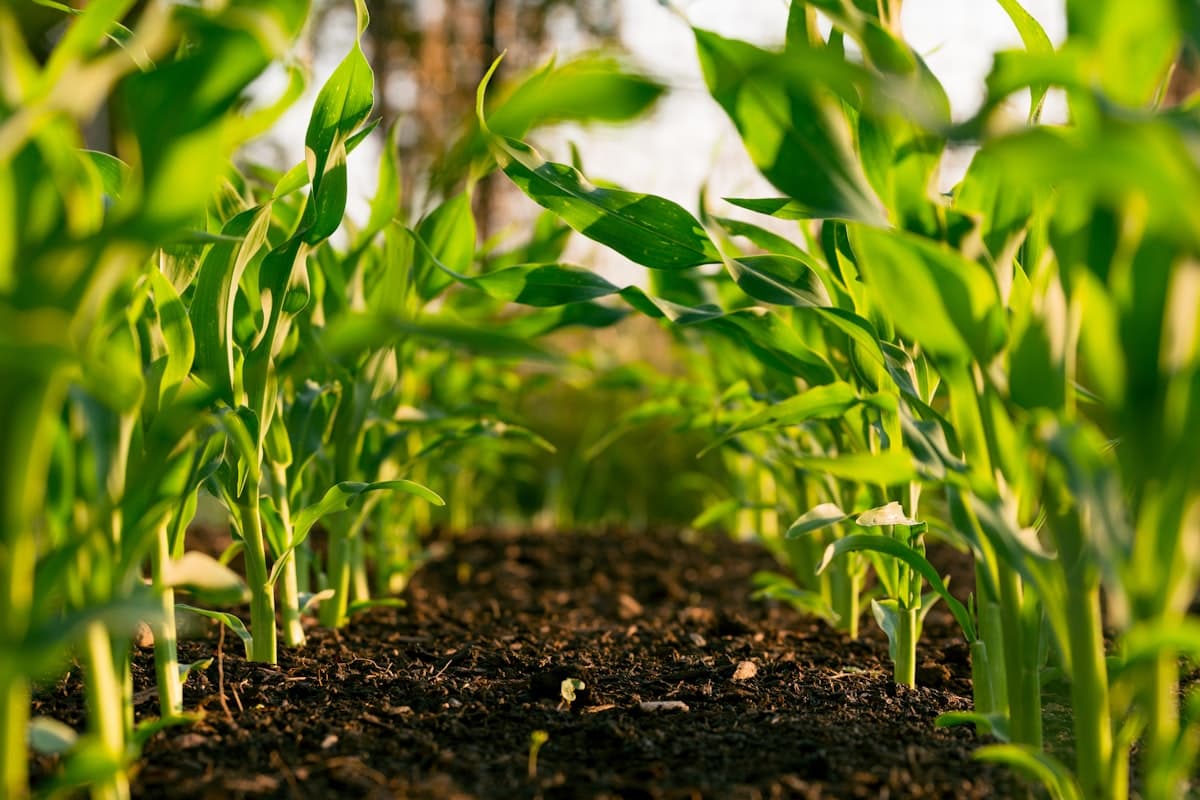
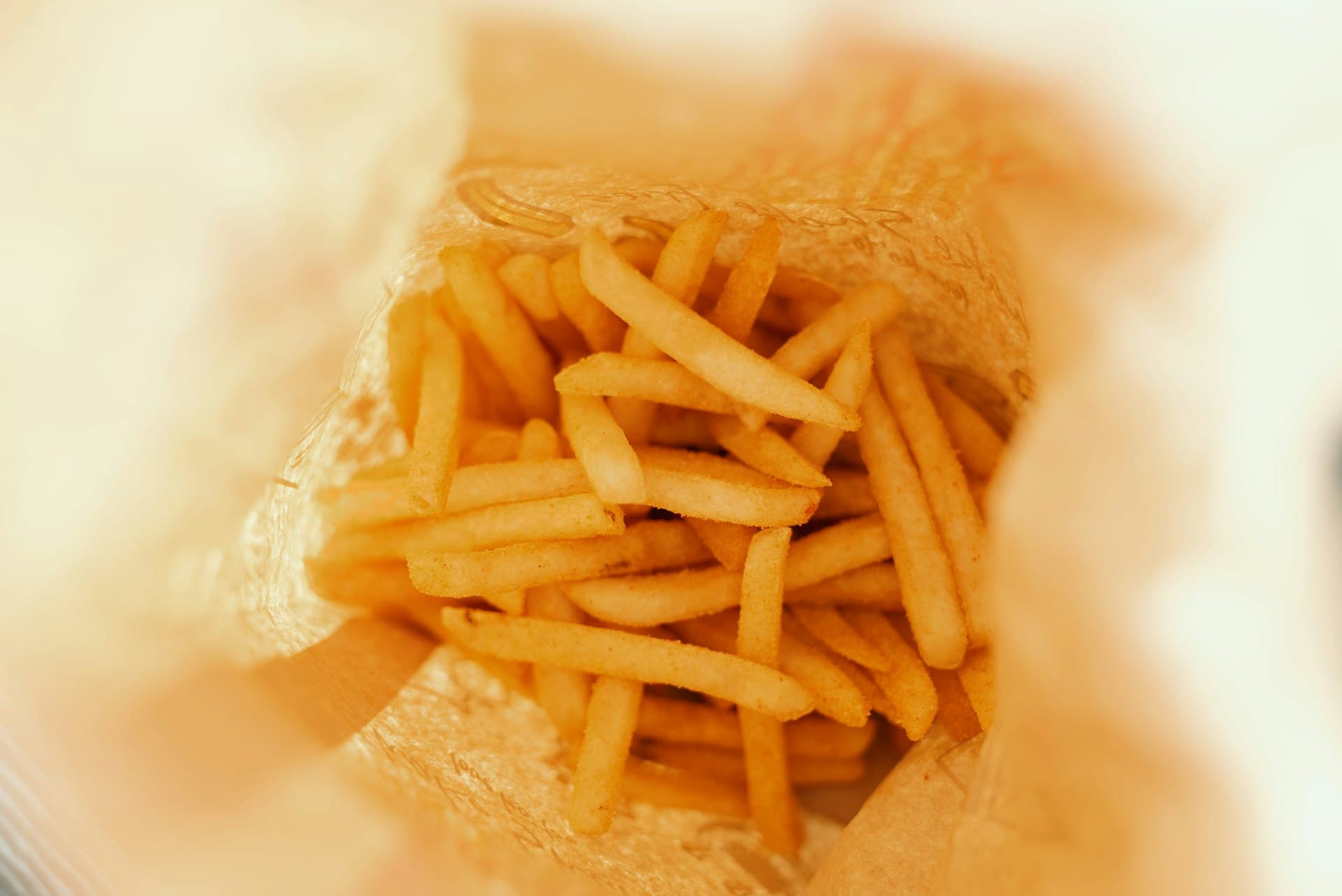
Not all potatoes perform equally when fried. The difference comes down to three physico-chemical parameters: dry-matter content, sugar level and cell structure. A firm-fleshed, low-starch variety, like a waxy salad potato, will produce a soft, greasy fry with no structure. A starch- and dry-matter-rich variety, by contrast, delivers a fry with a crisp crust and a fluffy centre.
Sugar plays a decisive role in colour. During cooking, reducing sugars react with amino acids (the Maillard reaction): too much sugar and the fry browns, or even blackens, before it is cooked through. That is why varietal management and storage control are inseparable from a well-mastered fry production line.
« The secret to a great fresh fry starts in the field: a high-dry-matter variety, harvested nearby and stored correctly, accounts for 80% of the result on the plate. »
What are the technical criteria for a good frying potato?
Four indicators guide professional selection. Dry matter, ideally between 20% and 24%, drives crispness and limits oil uptake. Reducing sugar must stay low to preserve an even golden colour. Calibre determines material yield and stick uniformity. Finally, storage stability prevents starch from converting into sugar during winter conservation.
These parameters are not fixed: they shift with the year's weather, harvest date and storage conditions. A single batch can drift within weeks if the storage temperature is too low, triggering a sugar build-up that harms frying quality.
Key criteria for a frying variety
- Dry matter: 20-24% for a fluffy centre and crisp crust
- Reducing sugars: low (< 0.25%) to avoid early browning
- Calibre: 50 mm and up to maximise stick yield
- Shape: oblong and regular for clean cuts and minimal waste
- Storage stability: resistance to cold-induced sugar build-up
List of the ideal varieties for fries
Five varieties set the standard in the French and European fry sector. Each has its own profile, but all share a high dry-matter content and reliable cooking behaviour.
- Bintje: the historic French benchmark. Tender flesh, high dry matter, pronounced flavour. Excellent for frying but sensitive to blight and long storage.
- Agria: yellow flesh, very good dry matter, generous and even calibre. Versatile, it excels in fresh fries and in processing alike.
- Innovator: a slightly netted-skin variety, long and oblong, ideal for long sticks. Good yield and reliable frying performance.
- Markies: known for its storage stability and low sugar, it keeps a light colour even after several months in conservation.
- Fontane: highly productive and rich in dry matter, it delivers consistent frying and excellent texture, a favourite in foodservice.
How does the French growing season affect quality?
In France, storage potatoes are harvested mainly from September to October. The first weeks after harvest offer optimal frying quality: dry matter is high and sugar stays low. As winter and spring progress, cold-room storage can trigger sugar build-up, especially below 6-8 °C, which must be corrected by reconditioning at a warmer temperature before processing.
This seasonality demands constant vigilance. Stable varieties like Markies or Fontane are invaluable late in the campaign, as they limit sugar drift. Consistent fry quality therefore relies as much on variety selection as on rigorous storage logistics, the condition for even colour and crispness all year round.
The link with Kroustis' local HVE sourcing
Kroustis, Nouryla's fresh vacuum-sealed fry, is never frozen: that is its signature. This freshness imposes an uncompromising varietal and agronomic standard. Sourcing prioritises potatoes grown under High Environmental Value (HVE) certification, with a focus on plots located within 250 km of Paris. This proximity shortens the time between field and workshop, preserving freshness and reducing the logistics footprint.
This approach relies on a controlled calibre (11x11) and detailed traceability: every delivery note carries the exact potato lot number, and every big bag has a unique identifier via the CorLink ERP. Choosing varieties suited to frying, grown locally under HVE, ensures a consistent, golden fry that meets a credible environmental specification.
With or without skin: how does it affect variety choice?
Kroustis comes in two references: La Rustik, with skin, and L'Authentik, without skin. The skin-on or skin-off choice shapes how the variety is perceived. A skin-on fry highlights the rustic look and bold flavour of varieties like Bintje or Agria, while retaining the fibres and nutrients located just under the skin.
Without skin, attention shifts to flesh consistency and colour. Varieties with even yellow flesh and low sugar, such as Markies or Fontane, deliver a visually clean, appetising result. In both cases, dry matter remains the decisive criterion: it is what guarantees the expected crispness, whatever the presentation chosen.